
Dirt Town Gravel Hauling: Sifting, Crushing and Routes
Move gravel in Dirt Town without wasting diesel: screen mixed spoil, crush it for road surface, and build a loop that keeps the hauler loaded both ways.
Gravel is the material that pays twice: once when you ship it, and again when you spread it on your own road and every later lap gets faster. The work is sifting mixed spoil into a clean product, crushing it for surface use, and building a loop that does not send the hauler home empty. The economics of that loop are on the money guide→; this page is the operation.
- Screen before you sell — mixed spoil is worth less than graded gravel.
- Keep a crushed-gravel stockpile at the pad for road repairs.
- Build a loop, not a there-and-back — an empty return is a paid return.
Sifting: where gravel actually comes from
The sifting screen is fed by a loader or an excavator, and the HUD tracks output in tonnes — the official screenshots show "SIFTING GRAVEL 0.28 t" and "SIFTING SAND 0.4 t" on separate shots, with the machine working a pile of screened material.
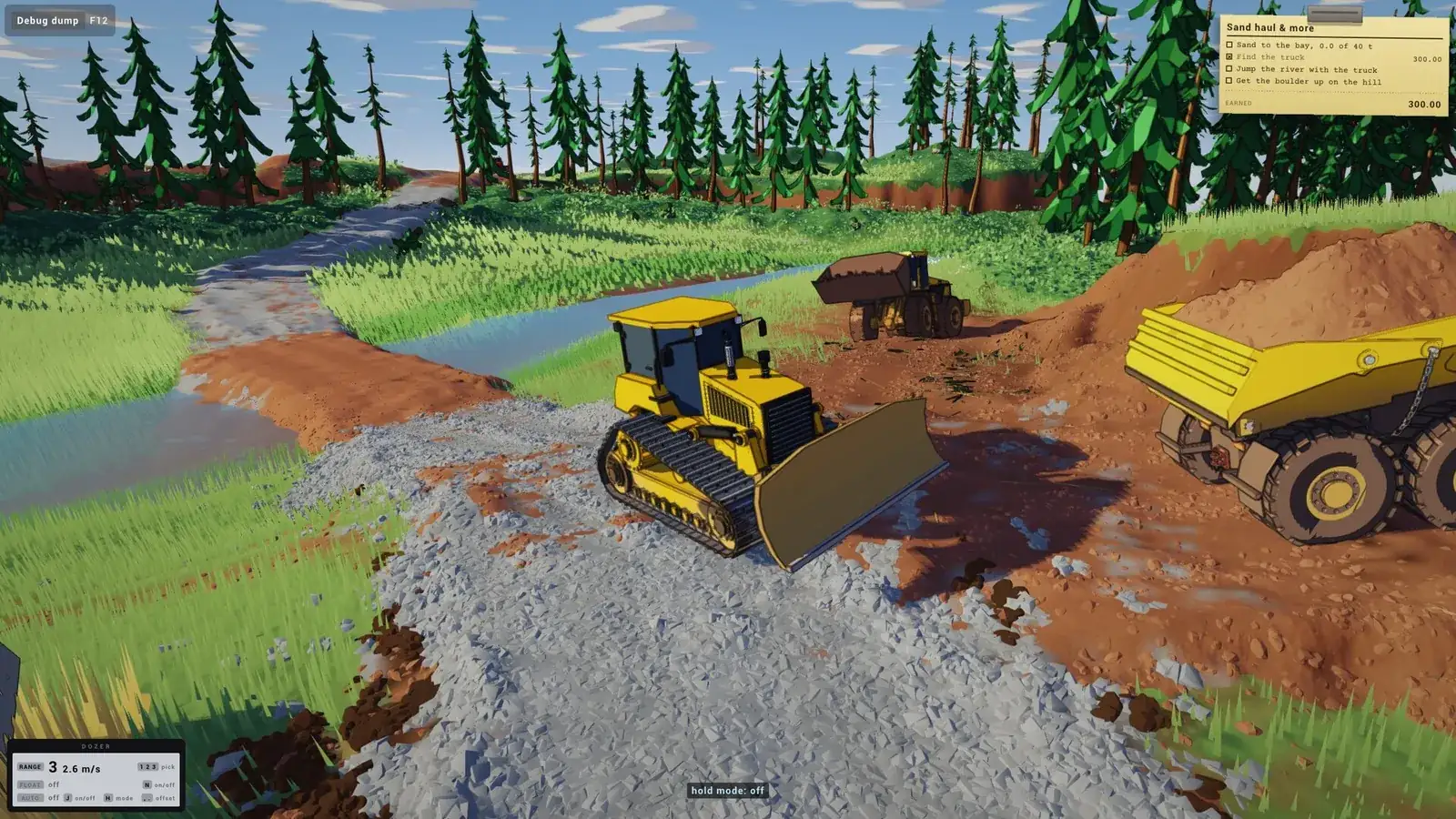
The practical setup is a short, flat run: pile on one side, screen in the middle, stockpile on the other. Feed the screen with the loader, let the truck take the output, and keep the reject pile out of the way.
Two throughput notes:
- Feed from the high side so the screen is not fighting gravity.
- Do not overfill the screen. A screen that is buried stops sorting, and you spend the next pass re-screening material you already moved.
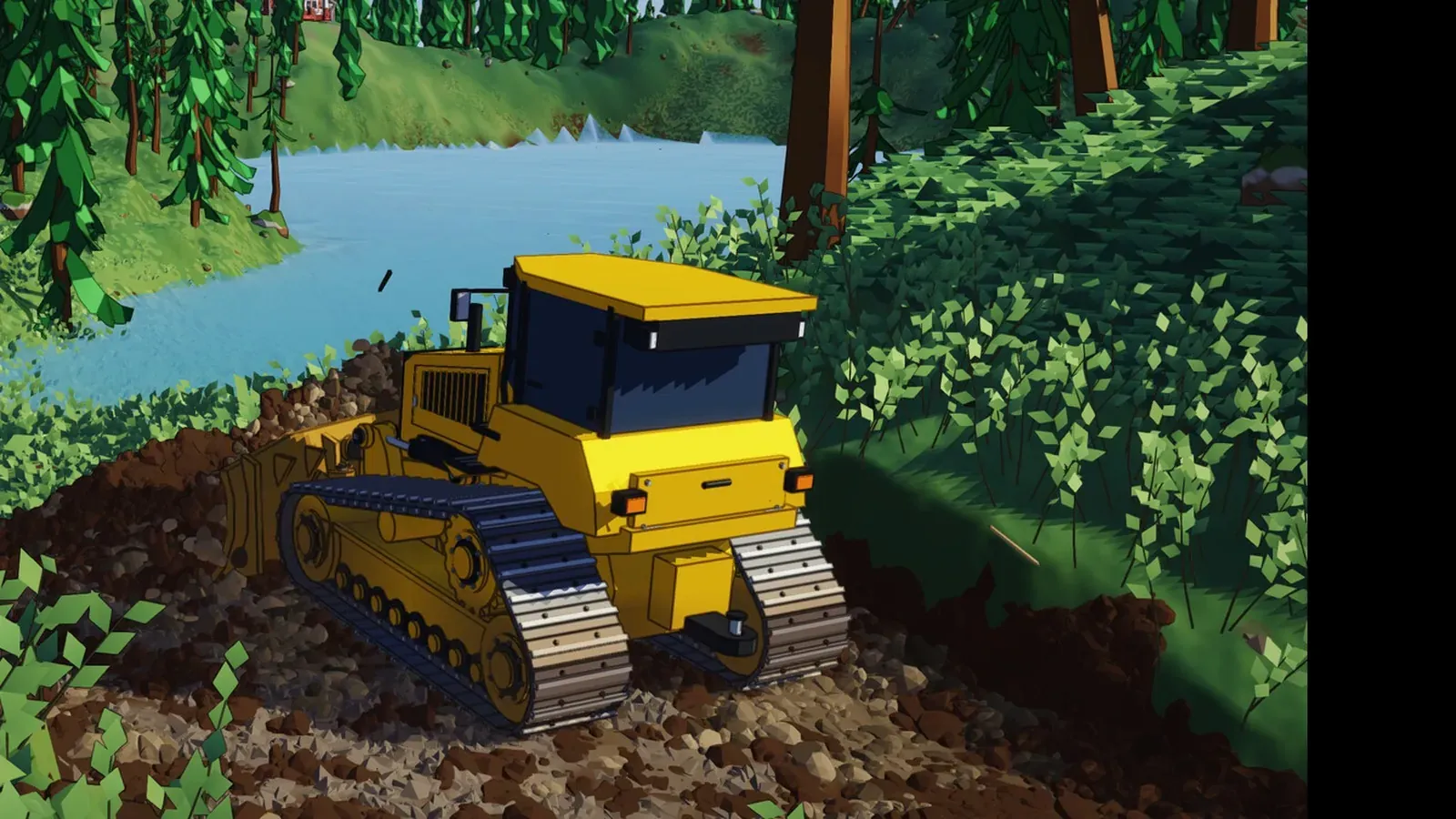
Screen where the gravel is, not where you want it. Moving raw spoil to a nice flat pad and then screening it means moving the reject twice.
Crushing: the road upgrade that hides in plain sight
The store page lists "crush gravel to improve roads" as one of the things you can spend money on, alongside buying a compactor. That is the game telling you the surface is a mechanic, not decoration.
Keep two stockpiles at the pad: sale gravel and road gravel. When a climb starts to rut, spread a lift of crushed gravel, compact it, and run the test lap again. The difference in wheelspin on a wet grade is immediate.
Do not crush your entire stock. Crushed material on a soft base disappears into the mud within a few loads. Fix the base, then surface it.
Routes: build the loop
The most expensive habit in gravel hauling is the out-and-back. You drive loaded to the pad, tip, and drive back empty — and the diesel bill for that empty leg comes out of the same mission.
Three ways to close the loop:
Backhaul something. If the pad needs fill, or the source needs timber, carry it on the return leg instead of air.
Relocate the screen. If the gravel face is moving, move the screening operation to the face rather than hauling raw spoil to a fixed pad.
Chain deliveries. Accept two missions that share a route, so the return leg is the outbound leg of the second job.
Conveyors: taking the truck out of the middle
Conveyors are the endgame of gravel hauling. They move material from the face to the pad without a driver, which removes bucket passes and diesel from that segment entirely.
They are not a first purchase — they need a fixed route and a source that will not move — but once your gravel is coming from one face and going to one pad, a conveyor is the closest thing the game has to passive income.
Keeping the pile honest
Gravel piles are physical. They settle, they spread, and they mix with whatever you push against them. Two habits keep a stockpile usable: push the edges back in every few loads, and keep the sale pile separate from the road pile so you never ship your surface material by mistake.
Official source: Dirt Town on Steam ↗ - store description, Early Access FAQ and machine list.
FAQ
Is sifting worth the time? Yes, if you are selling material. Unsorted spoil is a lower-value product and the screen is measured in tonnes, so the work pays per tonne.
Where do I get gravel? From gravel faces and mixed spoil on the launch map. The map guide→ covers where each material sits.
Should I sell crushed gravel or use it? Both. Keep a road stockpile and sell the rest — a fast road raises every other job's payout.
Can a conveyor replace the hauler? On a fixed route, yes for the segment it covers. You still need a truck to move material from the pad to a delivery point.